

2025-06-19
Investing in a 360 rolling car is more than just buying a ride — it’s committing to a long-term, high-yield entertainment asset. In today’s competitive leisure market, attractions that combine novelty, safety, and compact footprint are essential for drawing consistent crowds and maximizing revenue per square meter.
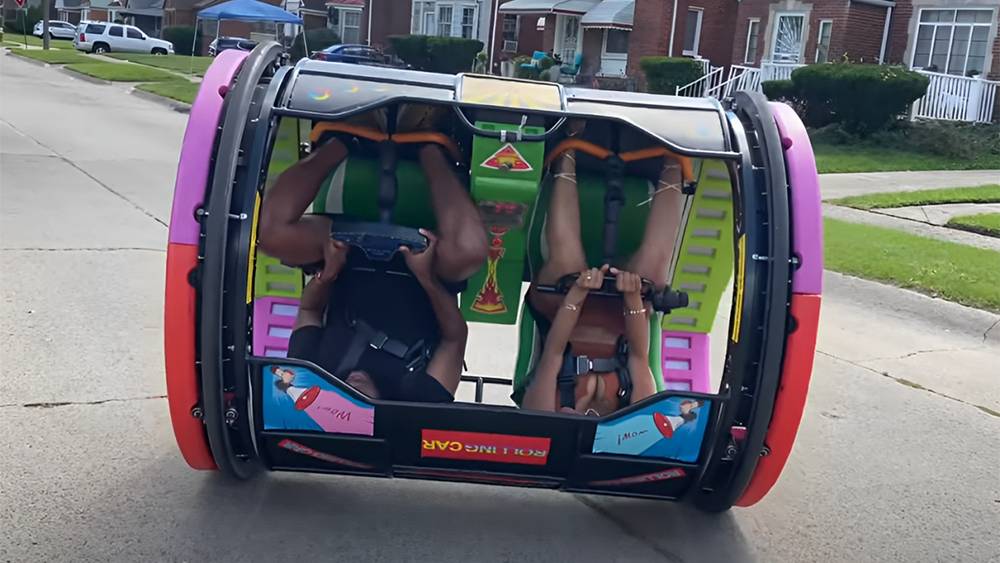
Commercial-grade 360 rolling cars typically range from $2,200 to $3,800, depending on model specifications, control systems, and customization options (LED, branding wraps, seating style).
Expect 10–15% additional costs for international freight. Lithium batteries may require special handling or separate shipping due to IATA regulations — something many first-time buyers overlook.
Site prep, platform assembly, safety inspection, and staff training usually cost $200–$500. Some venues also invest in themed enclosures to match their brand identity.
Budget 5–8% of purchase price annually for preventive maintenance (motors, sensors, seat belts). Neglecting this can reduce uptime by as much as 20% over a year.
Public operation often requires liability coverage. Rates vary widely, but bundling insurance with other rides can reduce annual premiums by up to 15%.
Your 360 rolling car can generate revenue in multiple ways:
Single-Play Tickets – $5–$8 per ride, 8–12 spins/hour.
Package Deals – Combine with arcade tokens or other rides to lift per capita spend.
Private Rentals – $400–$600/day for corporate events, school fairs, or mall activations.
Sponsored Rides – Sell ad space on ride panels or integrate brand themes.
Cross-Selling – Position near photo booths, snack kiosks, or merchandise stands.
💡 Pro Tip: Seasonal bundles (e.g., “Summer Spin Pass”) can increase transaction size without lowering ticket value.
Formula:
ROI (months) = Total Investment ÷ Monthly Net Profit
Example:
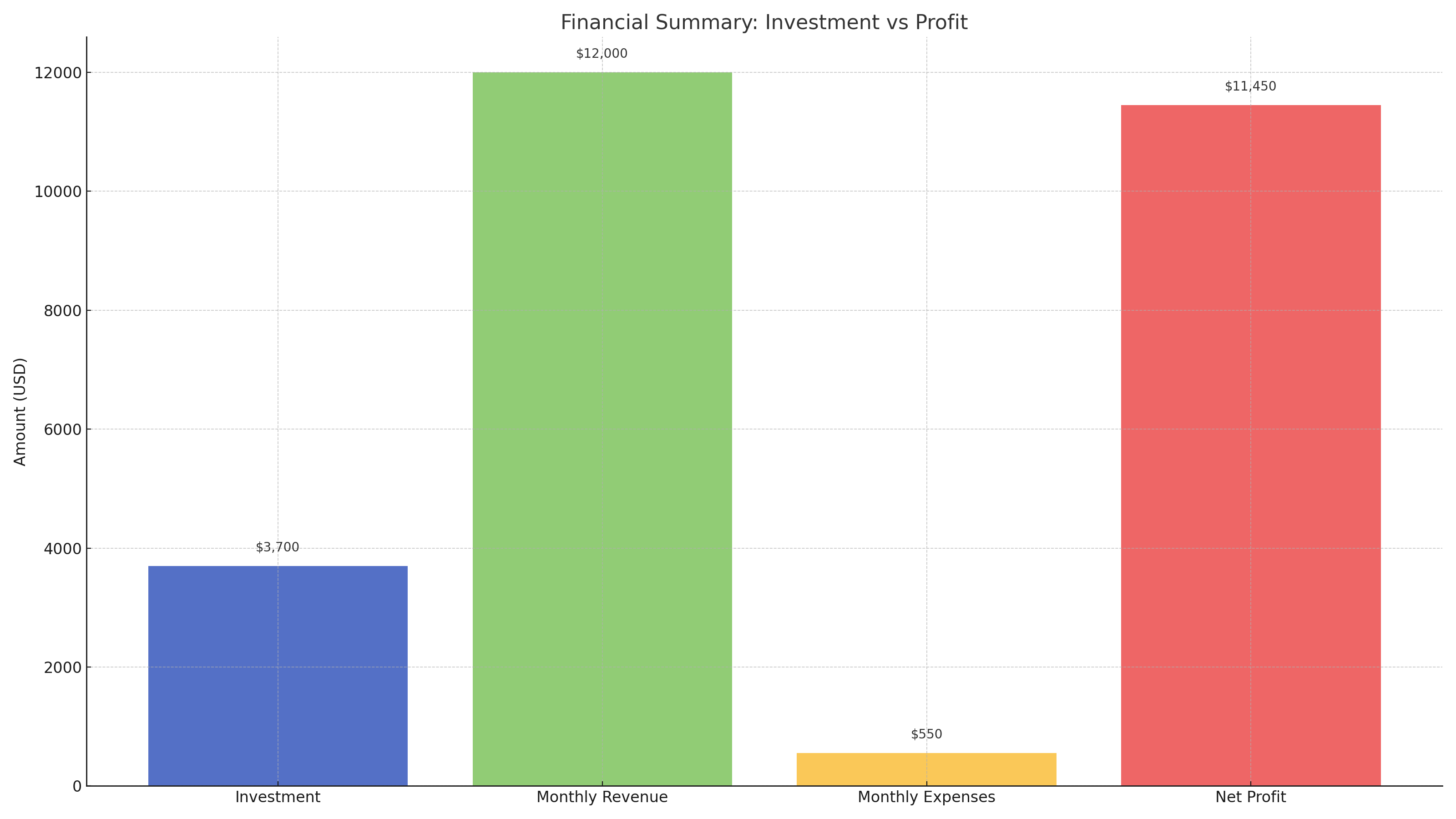
Investment: $3,000 (unit) + $400 (shipping) + $300 (install) = $3,700
Revenue: 10 spins/hour × 8 hours/day × $6 × 25 days = $12,000/month
Costs: $300 maintenance + $200 labor + $50 utilities = $550/month
Net Profit: $11,450/month
ROI Timeframe: ~10 days in high-traffic venues
📊 Benchmark: Most operators in urban malls recover costs within 1–2 months.
Dynamic Pricing: Increase ticket price by 10–20% during holidays or peak weekends.
Experience Add-Ons: Sell LED wristbands, ride videos, or themed tokens.
Preventive Maintenance: Weekly checks reduce downtime risk by 30%.
Social Media Boost: Encourage TikTok/Instagram posts — some operators report foot traffic surges after viral clips.
Loyalty Programs: Digital punch cards or member discounts encourage repeat visits.
Seasonal Rebranding: Change decals and lighting for Halloween, Christmas, or summer events.
Urban Malls: $8k–$12k/month gross, minimal downtime.
Pop-Up Events: ROI in under 1 month during high-attendance runs.
FECs: Strong synergy with soft play, VR, and arcade areas.
Case Study – Southeast Asia Festival:
Two units, 9 hours/day, $6 ticket → $9,600 in 10 days. Full ROI before event ended.
Case Study – Eastern Europe Indoor Park:
One 360 unit + TikTok campaign → monthly revenue jump from $6,500 to $10,200; ROI in 3 weeks.
Footprint Efficiency: At ~2.5m² per unit, 360 rolling cars offer higher revenue per sqm than most arcade rides.
Power Consumption: Average 1.2–1.5 kWh per hour — low running cost compared to bumper cars or VR setups.
Safety Standards: Look for CE, UL, or equivalent certification; these reduce liability risk and build trust.
Control Systems: Joystick models allow for higher user engagement vs. pre-set spin programs.
Theming & Branding: LED sync with music boosts ride experience and retention.
IoT Integration: Real-time performance monitoring, predictive maintenance alerts.
Eco-Friendly Upgrades: Lithium batteries with longer life cycles, lower carbon footprint.
Augmented Reality Features: Future versions may overlay virtual effects on physical spins for enhanced immersion.
Hybrid Revenue Models: Combining pay-per-play with timed unlimited passes.
⚙️ [360 Rolling Car Maintenance Guide]
📈 [Is the 360 Rolling Car Safe? Certification & Safety Guide]
For bulk order pricing or custom ROI models, contact AMA Amusement’s consultants for tailored advice. Our 16+ years of manufacturing experience and global installations ensure you get not just a ride — but a proven business solution.
Yes. Our 360 rolling cars are designed for commercial use and come with international safety certifications such as CE, FCC, and SGS. These ensure the equipment meets key standards for electrical safety, structural integrity, and electromagnetic compliance—especially important for buyers operating in regulated markets.
Absolutely. We offer full OEM/ODM customization, including body color, LED lighting effects, logo placement, and themed graphics. Custom designs help match your brand identity or fit specific event needs. Let us know your concept, and we’ll make it happen.
Standard production time is typically 7–15 working days, depending on customization and order quantity. For international shipping, delivery schedules vary by region:
Asia: 7–10 days
Middle East & Europe: 20–30 days
North America: 25–35 days
We offer both sea freight and air shipping solutions. A detailed shipping timeline is provided once the order is confirmed.


